How to watch VALORANT Champions Shanghai group stage like a pro analyst
Need articles like this for your video? They help promote it on YouTube and Google — order them in the Telegram bot @sat_sit_bot. It writes articles around your video, embeds the video and publishes them on popular niche websites (no ads). Your first 50 articles are free.
VALORANT Champions Shanghai is the 2026 world championship, and the group stage decides which sixteen teams from Americas, CN, EMEA and Pacific survive into the playoff bracket. To follow it properly, track the format, the regional storylines and the map-level details that decide series, not just the final score. Official updates, brackets and schedule changes land first on the VALORANT Esports X account, so that is the page to keep open while matches run.
What VALORANT Champions Shanghai group stage actually is
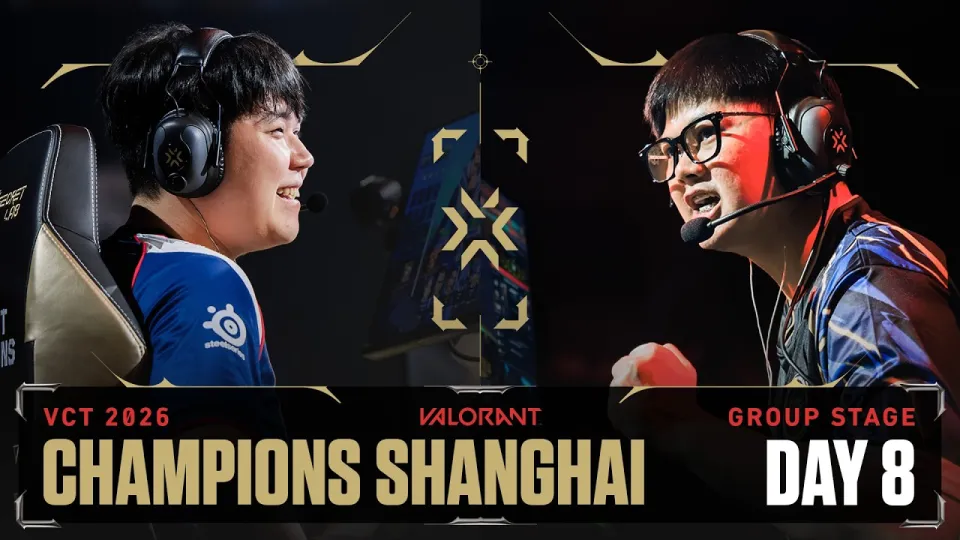
The group stage is a round-robin phase where sixteen qualified teams are split into groups and play best-of-three series, with the top finishers advancing to the playoff bracket. Every series is played on a fixed map pool, and teams pick and ban maps in a set order before each game, which is why draft decisions often matter as much as aim. Because Shanghai hosts the event, Chinese teams enter with crowd support but also with the pressure of a home stage. The Day 8 broadcast on the VALORANT Champions Tour channel covered two full series, including T1 versus JD Gaming, and ran past the four-hour mark with a technical pause in the middle of game one.
Why the home-region narrative fell apart
Chinese teams arrived in Shanghai with the loudest crowds and the shortest run. All four CN representatives were eliminated during the group stage, a result that turned the "regional curse" joke into a serious talking point. The most painful example was JD Gaming, who built an 11-6 lead on the opening map against T1 and lost the series anyway, including a lopsided third map. Viewers pointed out that a 2-0 sweep there would have been an unprecedented result for a CN team on the global stage. The counterargument from the community is blunt: home advantage does not create map control, utility discipline or clutch composure, and the gap against Americas, EMEA and Pacific teams showed up in exactly those areas.
Reading a VOD like an analyst instead of a fan
Watching a full broadcast is only useful if you extract decisions, not highlights. Use this order when you rewatch any group stage series:
- Watch the buy phase first. Note the loadout choices on round one and the first bonus round, because economy calls set the tempo for the next four rounds.
- Track the initiator utility. Count how many flashes and recon tools are spent before the entry, and whether they are traded for space or wasted.
- Follow the sentinel on defense. A silenced or neutralized ultimate, like a Crown getting shut down, often decides a retake before the fight starts.
- Mark the timeout rounds. Coaches call timeouts after two straight losses, and the next round usually reveals the adjusted default.
- Check the scoreline swing. A lead like 11-6 is not safe in VALORANT because two lost bonus rounds flip the economy for both sides.
The roster questions viewers keep raising
Role swaps are the fastest way to break a team's structure, and the group stage produced a clear example when a player known for supportive agents was placed on a duelist. That kind of move can work, but it usually costs the team its entry timing and its trade discipline for at least a full map. The other recurring complaint is officiating and hit registration: viewers freeze-frame trades and argue about whether a shot registered as a headshot, which is a normal side effect of watching a server-side replay at broadcast quality. Neither issue is unique to Shanghai, but both get amplified when a series is close and a single round decides the map.
How the group stage shapes the playoff bracket
Group stage results do more than eliminate teams; they set seeding, and seeding decides which side of the bracket a contender lands on. A team that drops a map it should have won often ends up on the same side as the tournament favorite, which shortens its run regardless of form. That is why the JD Gaming collapse matters beyond one loss: it changed the seed, the matchup and the preparation time for everyone around them. For viewers, the practical takeaway is to read the bracket after each match day rather than after the whole stage, because the path to the final is visible early.
Useful links
- Official VALORANT Esports updates: https://x.com/valorantesports
- Facebook: https://www.facebook.com/ValorantEsports/
- Instagram: https://www.instagram.com/valorantesports/
- TikTok: https://www.tiktok.com/@valorantesports
- Twitch: https://www.twitch.tv/valorant
What Shanghai tells us about the rest of the season
Shanghai is the clearest snapshot of where VALORANT esports stands in 2026: new Masters champions, broken expectations, and a challenger generation that no longer respects regional hierarchy. The group stage proved that a home crowd cannot substitute for structured play, and that a single thrown lead can end a tournament run. It also showed how thin the margin is between a top seed and an early exit, especially in best-of-three series where one map swings the entire match. The VALORANT Champions Tour channel produced the full Day 8 broadcast, and it remains the most complete record of how these results actually happened. For schedule changes, bracket updates and official announcements, follow VALORANT Esports on X before the next match day starts.
Key takeaways
- VALORANT Champions Shanghai runs September 24 to October 18 with 16 teams from Americas, CN, EMEA and Pacific.
- Group Stage Day 8 featured T1 vs JD Gaming and a full three-map series.
- All four Chinese representatives were eliminated in the group stage, sparking debate about regional slots.
- JD Gaming led 11-6 on map one before losing the series, a collapse viewers called the turning point.
- Masters titles in 2026 went to new champions, setting up Shanghai as the year's biggest test.
Source: VALORANT Champions Shanghai — Group Stage — Day 8 · Markdown version
Questions & answers
How does the VALORANT Champions Shanghai group stage format work?
Sixteen teams from Americas, CN, EMEA and Pacific are divided into groups and play best-of-three series during the group stage, which runs from September 24 to October 18. The best-performing teams advance to the playoff bracket, while the rest are eliminated. Seeding from these results determines playoff matchups.
Why were all Chinese teams eliminated in the group stage?
Chinese representatives struggled against international opposition despite playing at home. JD Gaming held an 11-6 lead on the opening map against T1 but lost the series, including a heavy defeat on the third map. Analysts and viewers pointed to utility usage, mid-round discipline and clutch execution rather than crowd support as the deciding factors.
What is worth watching in a full VOD instead of highlights?
Buy phases, timeout rounds and utility usage reveal more than frag highlights. Track how many flashes and recon tools are spent before an entry, how a team adjusts after two straight losses, and how economy swings after a lost bonus round. These patterns explain why a lead like 11-6 can disappear.
Why do viewers argue about hit registration and role swaps?
Broadcast replays are compressed, so freeze-framing trades often makes shots look inconsistent, which fuels debates about headshots and server registration. Role swaps, such as putting a supportive player on a duelist, are a separate concern because they can break entry timing and trade structure for at least a full map.